Empowering OSH Professionals to Lead with Impact: Reflections from Ibec #InfluenceOSH
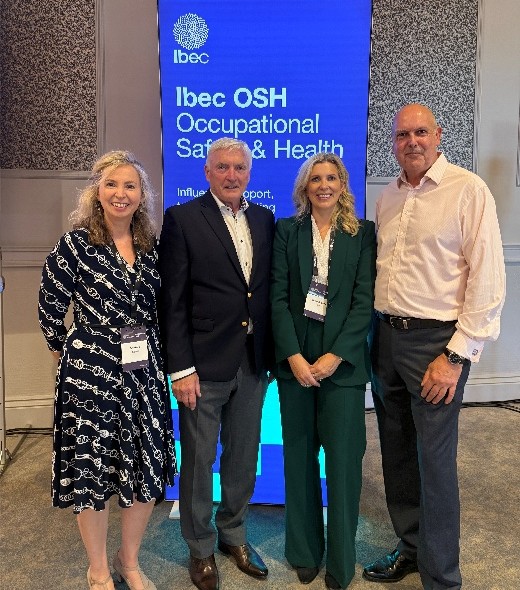
iProtectU reflects on Ibec’s #InfluenceOSH Seminar and how communication, culture and confident leadership help OSH

Health and Safety Software » Health and Safety Software News » Risk Assessment » Asbestos Risk Management in Construction
As a result, it is essential to manage the asbestos risk in construction. This involves identifying asbestos-containing materials (ACMs), assessing the risk of exposure, and taking steps to control the risk.
The first step in asbestos risk management is to identify ACMs. This can be completed by visually inspecting materials for signs of asbestos, such as a white, flaky texture. If you suspect that a material may contain asbestos, you should have it tested by a qualified asbestos surveyor.
Next, you need to assess the risk of exposure. This involves considering the following factors:
Once you have assessed the risk of exposure, you must take steps to control the risk. This may involve:
Encapsulation involves sealing the ACM in a protective coating. This can be a temporary solution, but it is not a permanent solution.
Removal is the most effective way to control the risk of exposure to asbestos. However, asbestos removal must be carried out by a qualified asbestos contractor.
Isolation involves restricting access to the ACM. This can be done by erecting barriers or by placing warning signs in the vicinity.
Additional tips for managing asbestos risk in construction:
Asbestos is a serious health hazard, and it is important to take steps to manage asbestos risk in construction. By following the steps outlined above, you can help to protect yourself and your workers from exposure to asbestos.
The iProtectU health and safety software provides:
Arrange your demonstration
Let us show you how we can transform your health and safety, risk and compliance management
Please choose a date and time for your demo. We look forward to meeting with you.

iProtectU reflects on Ibec’s #InfluenceOSH Seminar and how communication, culture and confident leadership help OSH


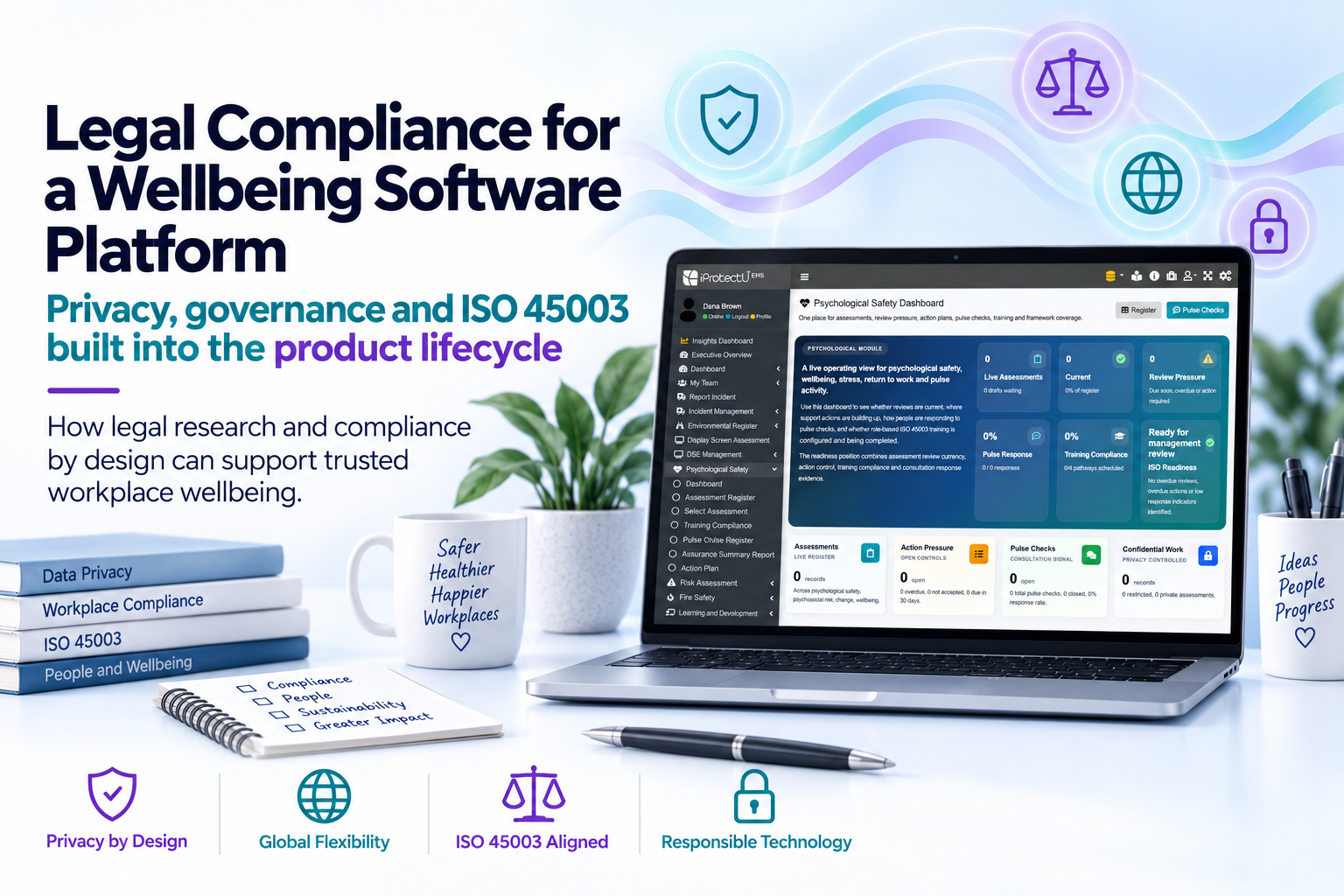
Louis De Maria explains how legal research, privacy by design and ISO 45003 principles helped
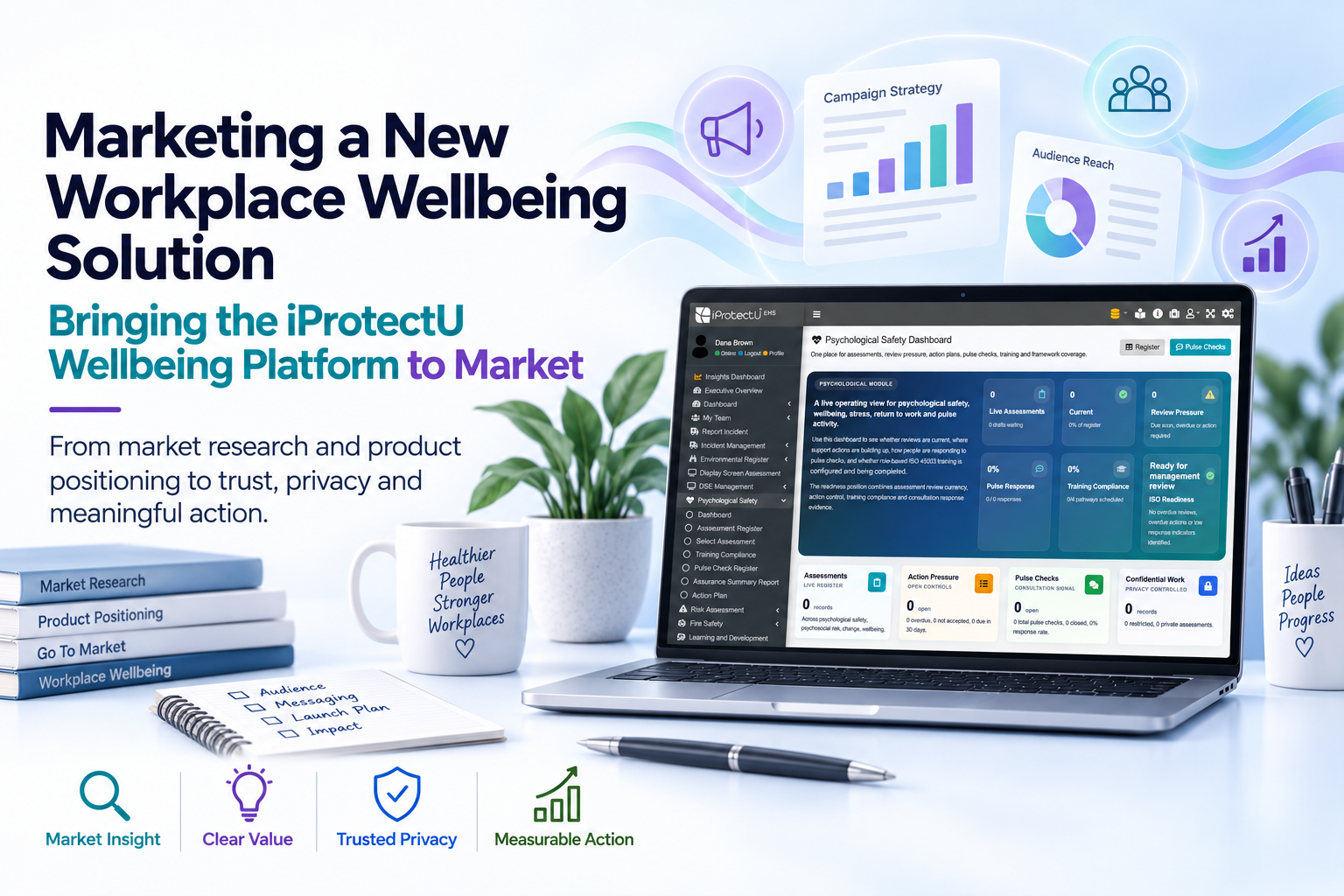
Christie Richardson explains how market research, product positioning and trust helped bring the iProtectU Wellbeing

Hannah Beck shares how lived experience and inclusive design can help organisations support neurodivergent employees
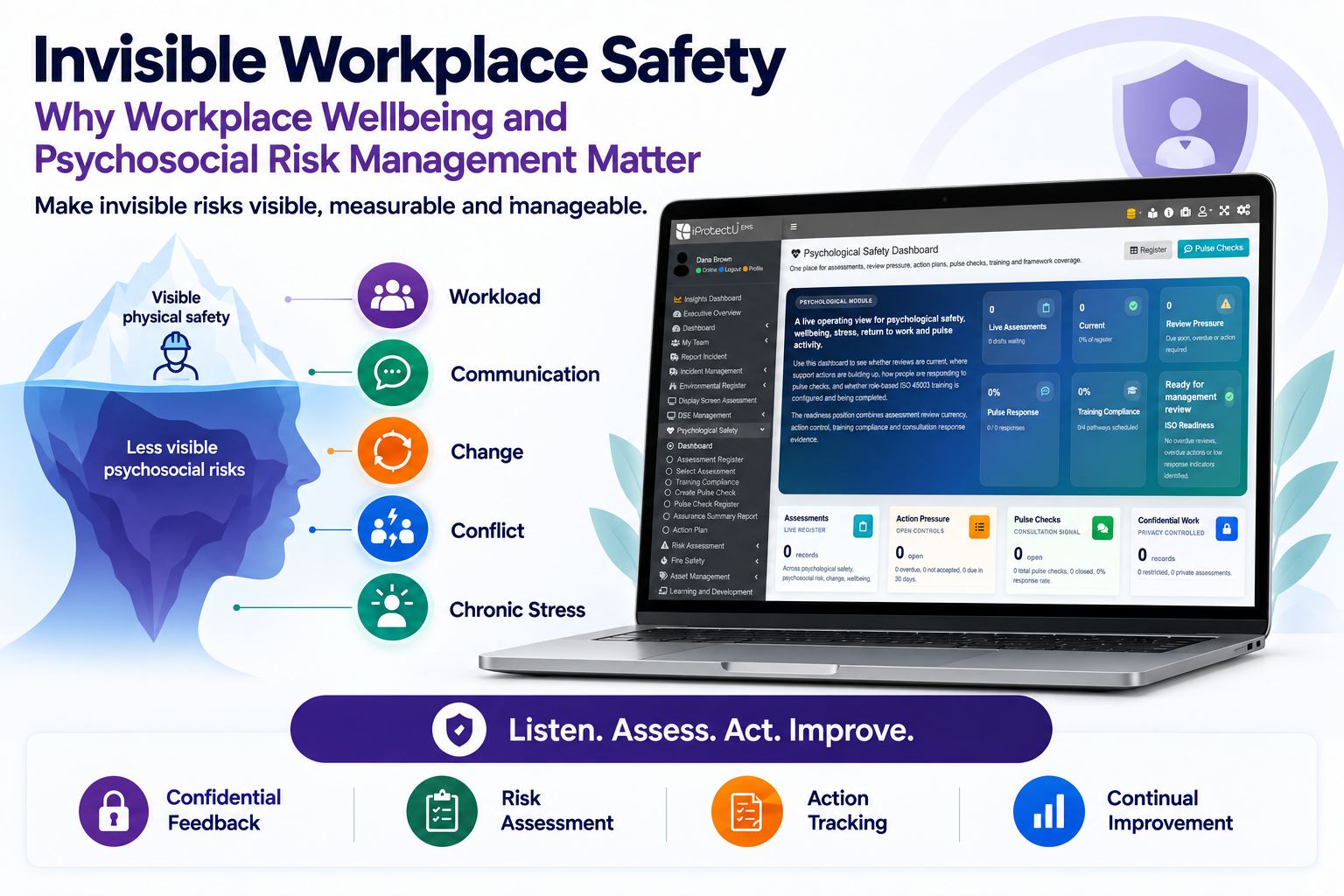
Emily MacLean explores the invisible psychosocial risks affecting workplace wellbeing and how organisations can turn
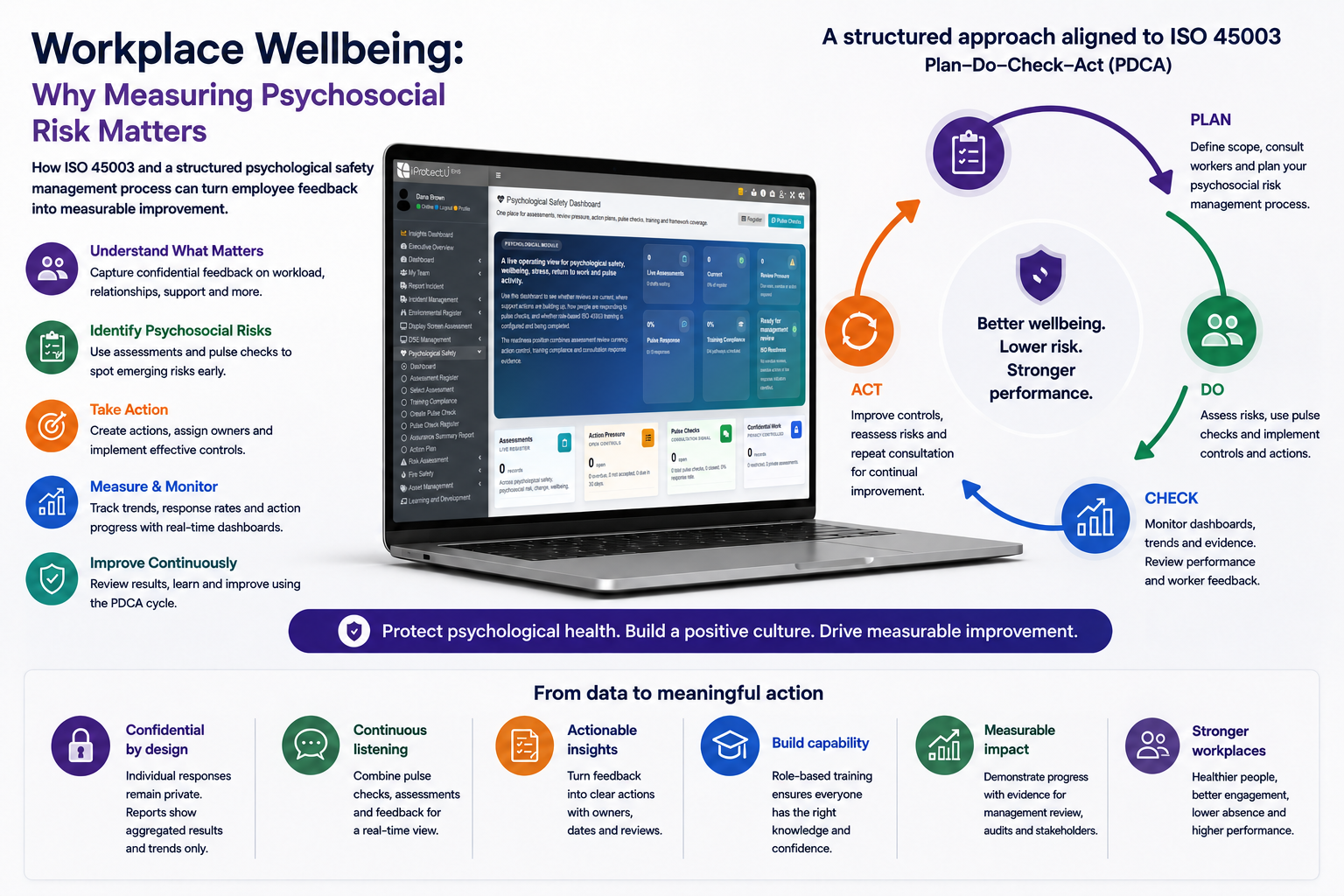
Celeste Weston explains why measuring psychosocial risk helps organisations turn employee feedback into action, improvement